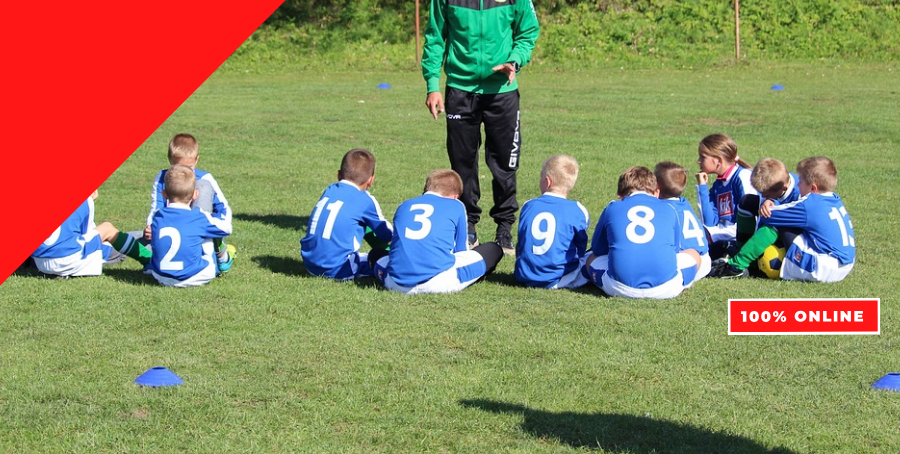
In the world of sports, it is common to hear coaches talk about the importance of the technical-tactical performance of their players. After all, the ability to control the ball, make precise passes and execute effective strategies are key aspects to winning games.s. However, there is another equally important aspect that is often overlooked: The emotional performance of the player. Is the emotional performance of the player more important, or the technical-tactical performance?
In this article, we will explore this question in depth.
Before delving into the topic, It is important to define what we understand by emotional performance and technical-tactical performance in the sporting context.
Emotional performance refers to the player's ability to manage and regulate their emotions during a match.. This includes the ability to maintain concentration, self-control and self-confidence. On the other hand, Technical-tactical performance refers to the player's ability to execute the skills and strategies necessary to play their sport effectively. This includes physical skills such as ball control, shooting and accuracy in play, as well as mental skills such as decision making, reading the game and anticipation.
Both aspects are important and interconnected. A player who has high technical-tactical performance but lacks good emotional performance can be negatively affected by his emotions during a match, which can lead to errors and a decrease in performance. On the other hand, a player who has high emotional performance but lacks technical skills may have difficulty executing the strategies necessary to win a match.
However, technical-tactical performance is often overemphasized, to the detriment of emotional performance.Many coaches focus solely on the development of technical skills and game strategies, and neglect the training of emotional skills. This can lead to players who are not well equipped to handle pressure and emotions during matches.
So, Why is the player's emotional performance important?
There are several reasons. First of all, Good emotional performance can help a player maintain concentration and focus during a match. This can lead to better decision making and more effective execution of gaming skills and strategies. In second place, Good emotional performance can help a player stay calm under pressure. In high-pressure situations, such as a free kick in the last minute of the game, A player with good emotional performance can maintain concentration and execute the shot with confidence, instead of being overwhelmed by the situation.
Furthermore, good emotional performance can have long-term benefits for the player's mental health. Sports can be stressful and challenging, and players who have strong emotional skills may be better equipped to handle pressure and stress in the long term. They may also be more resilient to frustration and adversity, which can help them overcome difficulties and move forward when they face obstacles in their sporting career.
Finally, good emotional performance can have a positive impact on team dynamics. Players with strong emotional skills can be effective leaders on the field, able to motivate their teammates and maintain a positive attitude, even in difficult situations. This can lead to better teamwork and a more positive atmosphere in the locker room.
So, How can you improve a player's emotional performance?
As with technical-tactical performance, emotional performance requires practice and training. Coaches can include specific exercises in practice to help players develop emotional skills, such as visualization and mental relaxation. They can also teach the players breathing and meditation techniques to help them stay calm during games.
It is also important to foster an environment of support and trust in the team, where players feel comfortable talking about their emotions and how they feel. Coaches can provide constructive feedback and encourage players to be open and honest about their emotions, which can help them develop strong emotional skills and feel more confident in themselves.
Conclusion:
Both emotional performance and technical-tactical performance are important for success in sports.s. However, emotional performance is often underestimated and neglected compared to technical-tactical performance. Players with strong emotional skills can remain focused and calm under pressure, and can also be effective leaders on the field and in the locker room. Coaches should pay attention to developing players' emotional performance, including specific exercises and fostering an environment of support and trust. Ultimately, A balanced approach on both aspects can lead to better performance and a more positive team environment.
Would you like to receive more information related to our courses?