Blog

Football of the future: how data is changing the game

For decades, football has been understood as a sport of sensations, talent and experience. Coaches made decisions based on what they saw, their intuition and their knowledge of the game. Today, that has changed. In modern football, every action generates information. Every pass, every sprint, every positioning leaves a trail of data that can be analyzed. And in that context, a new competitive advantage has emerged: intelligent use of data. Because in today's football, not only does the one who plays the best win... but also the one who best interprets the information.

The pressure of young promises: talent, expectations and the challenge of succeeding in the elite

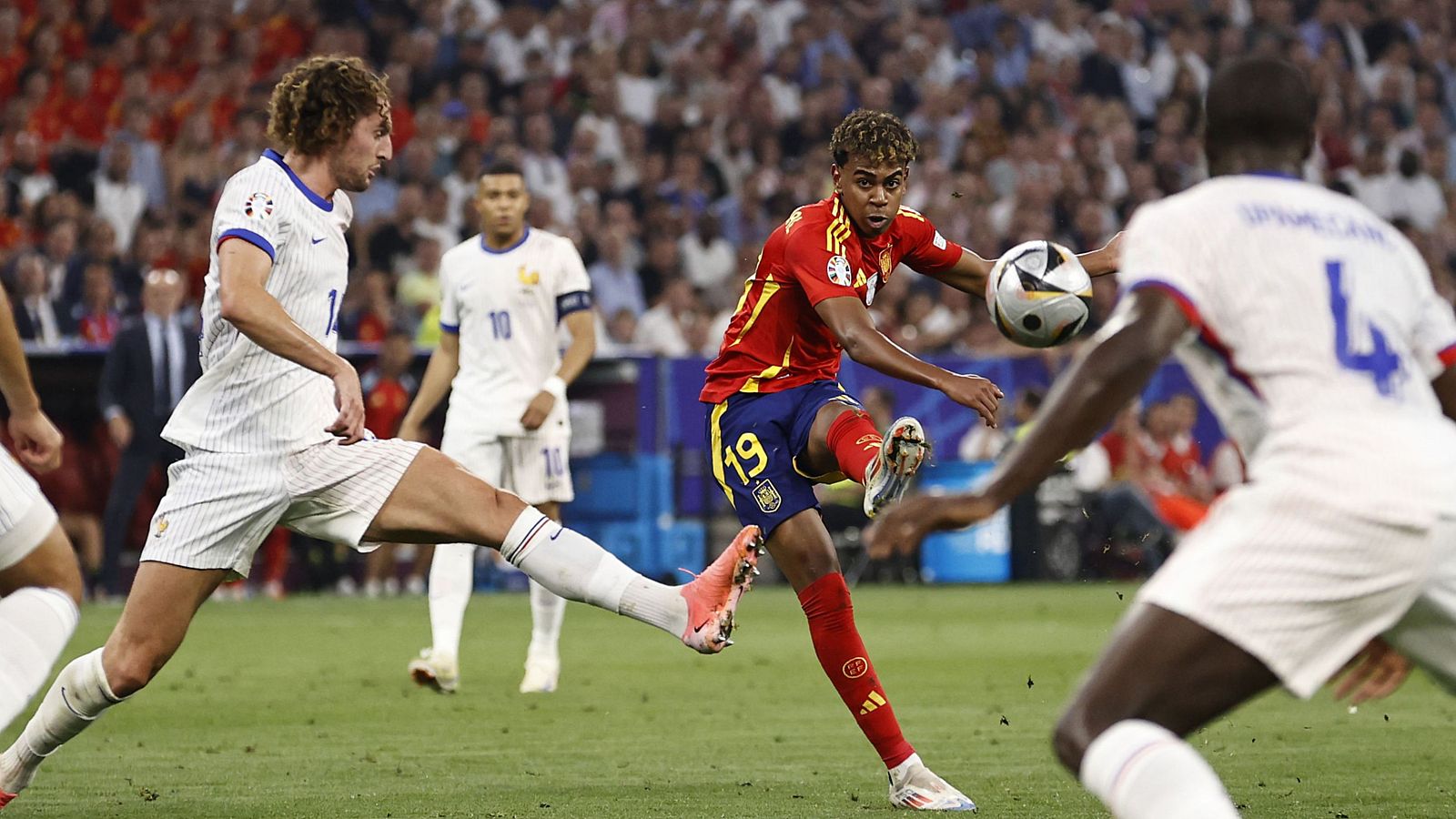
Football has always lived on illusion. Each generation brings with it new talents, young footballers who appear with enormous potential and who are quickly identified as the future stars of the sport.

But between the promise and reality there is a complex, demanding and often cruel path.

Debuting young is no longer an exception, it is a trend. At 17, 18 or 19 years old, many players already compete at the highest level, surrounded by media spotlights, social pressure and excessive expectations. And that's where the real challenge begins: sustaining performance.


How mentality influences decisive matches

In it professional football, decisive matches are not always won by technical talent or physical superiority. On many occasions, the difference between victory and defeat lies in a less visible, but absolutely decisive factor: the competitive mentality.

When a team faces a final, a play-off, a derby or a season-defining match, the sports psychology, the emotional management and the competitive concentration They acquire extraordinary weight. For coaches, physical trainers and football professionals, understanding this component is essential to optimize collective and individual performance.

The Evolution of the Full-Back in Modern Football: From the Outside Lane to the Center

For decades, the winger was a predictable role: defending his wing and
occasionally projecting into attack to give width. but football
modern has reinvented this position until it becomes one of the most
complex and decisive aspects of the game.

Today, the full-backs are no longer just wing runners: they are
covert midfielders, generators of superiority, throwers of
inside game and, in many systems, true playmakers.

Below I summarize some trends that are redefining the position.