Blog

España no ganó por jugar mejor. Ganó porque entendió mejor el juego y por eso jugó mejor.

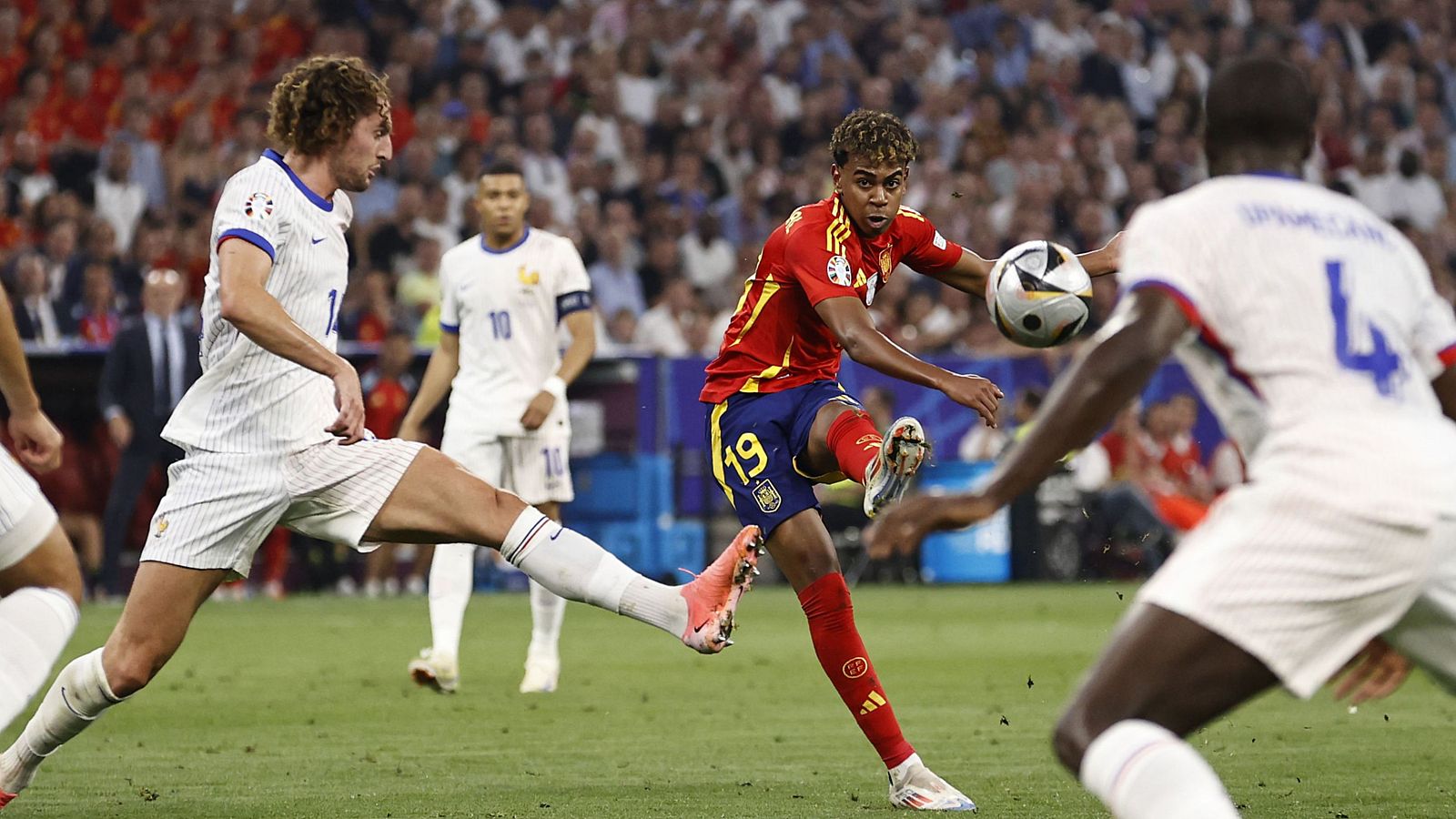
España no solo derrotó a Francia en la semifinal del Mundial; ofreció una auténtica lección táctica. Analizamos cómo Luis de la Fuente y su cuerpo técnico diseñaron un plan perfecto para neutralizar el talento francés, dominar el juego desde la posesión y demostrar que la organización colectiva sigue siendo el mayor factor de éxito en el fútbol de élite.

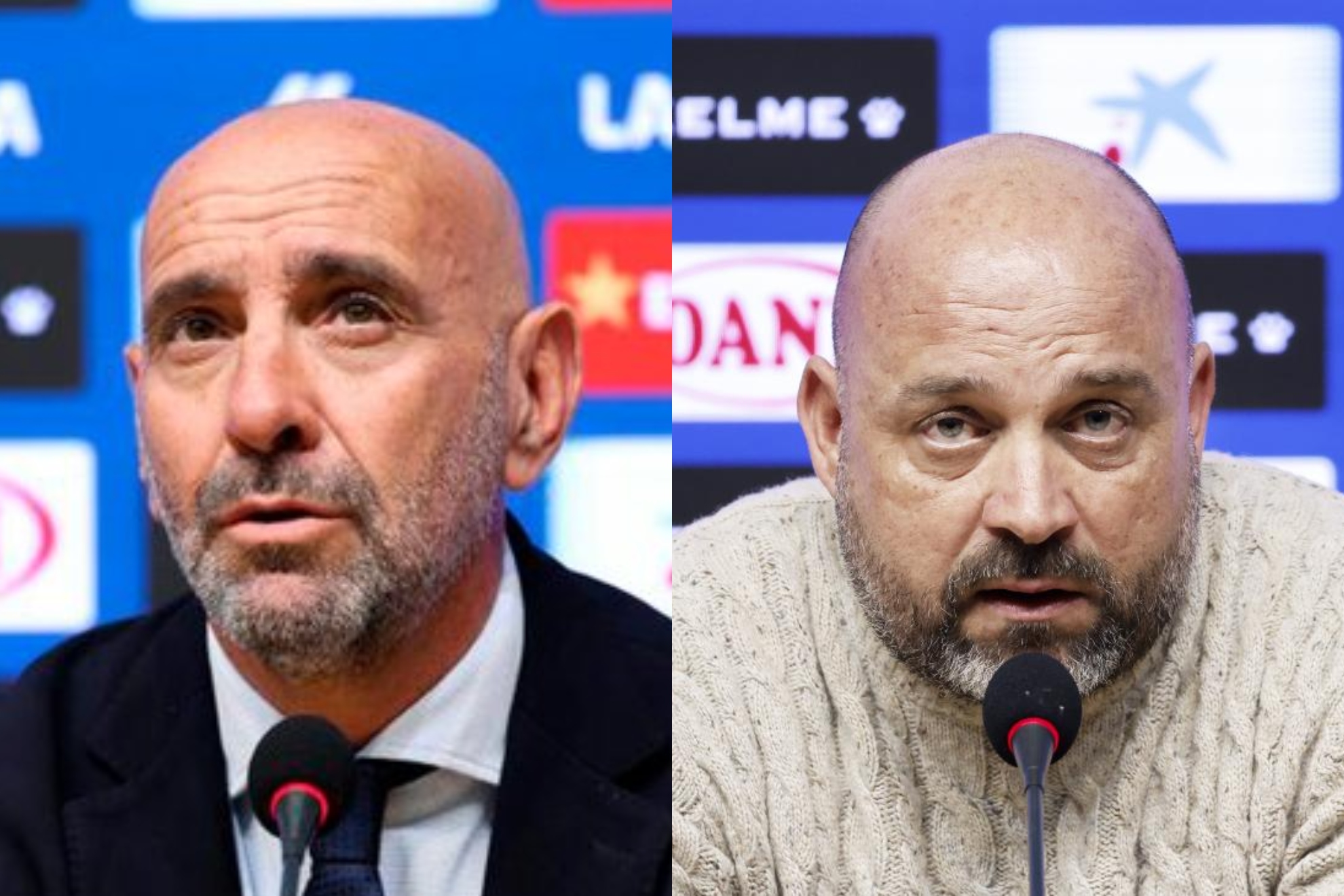
La reconstrucción del Espanyol ya está en marcha: Monchi pone las primeras piezas con Cala, Hartman y Moscardo

El RCD Espanyol ha comenzado una nueva etapa. Después de varias temporadas marcadas por la inestabilidad deportiva, las dificultades económicas, los cambios de categoría y una planificación condicionada por la necesidad inmediata de obtener resultados, el club blanquiazul intenta construir un proyecto más estable, reconocible y sostenible.

La llegada de Ramón Rodríguez Verdejo, conocido mundialmente como Monchi, para asumir la dirección general deportiva supone uno de los movimientos más importantes de esta nueva fase. No se trata únicamente de incorporar a un responsable de fichajes con experiencia. El Espanyol pretende implantar una metodología deportiva, reforzar su estructura interna y desarrollar una plantilla con mayor valor presente y futuro.


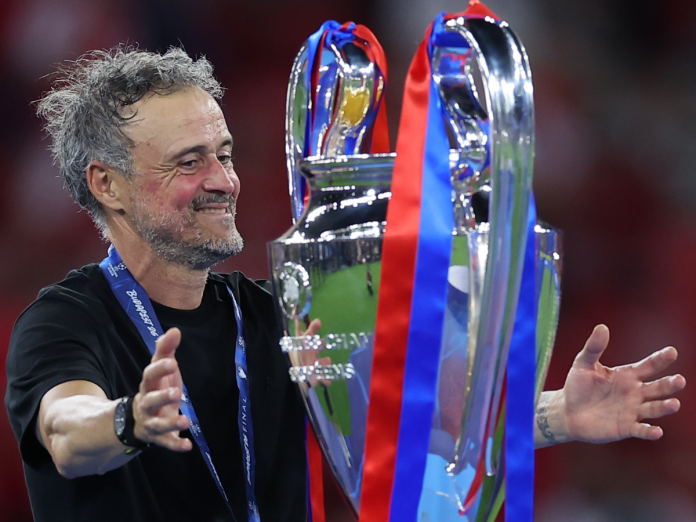
PSG, success, season and tactics: the keys to Luis Enrique's team that dominates modern football

Introduction: PSG no longer wins only by talent, it wins by performance

For years, Paris Saint-Germain was analyzed from an almost exclusively individual logic. Each season was explained based on the names, the stars, the investment, the signings and the club's ability to bring together top-level offensive talent. However, PSG's success this season cannot be understood from that perspective alone. The great competitive leap of the Parisian team is explained, above all, by a collective and tactical evolution that has changed the identity of the project.

Luis Enrique's PSG has become one of the most recognizable teams in European football. It is no longer just a group of brilliant footballers waiting to resolve matches based on individual actions. It is a team that presses, that occupies spaces well, that defends forward, that attacks with structure, that alternates possession and verticality, and that has learned to compete in very different contexts. That tactical maturity has been one of the big keys to his success in Ligue 1 and the Champions League.

The great transformation is in the idea. PSG has ceased to be a divided team, dependent on isolated inspirations, to become a block with recognizable mechanisms. Their footballers still have freedom, but it is an ordered freedom. Their attackers continue to be unbalancing, but within a structure that enhances their virtues. Their defenses continue to take risks, but with better coverage and more aggressive collective pressure. That combination of talent and organization has elevated the team to a higher dimension.

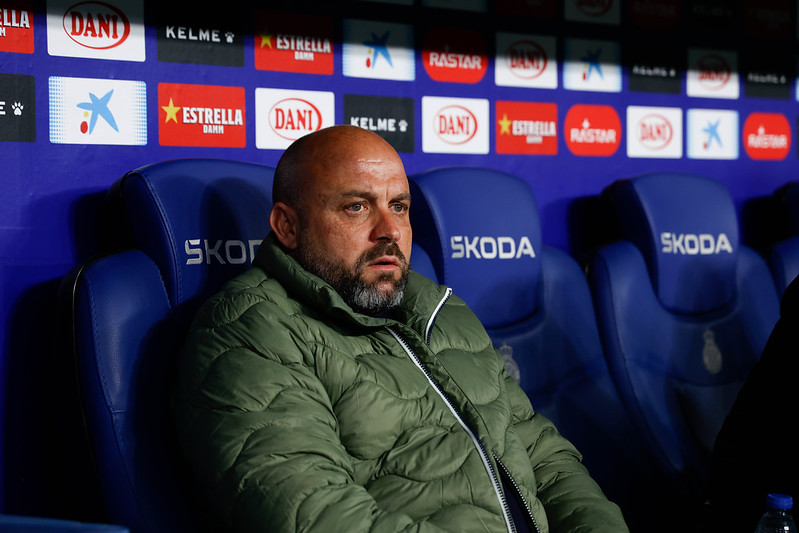
Monchi's impact on RCD Espanyol: a new era with Manolo González on the bench and Alan Pace as president

RCD Espanyol begins a stage that could mark a turning point in its recent history. The arrival of Ramón Rodríguez Verdejo, Monchi, as head of the sports area, the continuity of Manolo Gonzalez as a coach and the institutional leadership of Alan Pace As president they form a strategic triangle that can redefine the club's sporting future.

After years of instability, project changes, qualifying emergencies and a complex emotional relationship with its fans, Espanyol seems to be entering a phase in which the key word will not only be “excitement”, but structure. And that's where Monchi can have a profound impact.