Blog

The mentality that wins finals: the invisible factor of football


In modern football, where every detail is analyzed to the millimeter and physical and tactical preparation reaches elite levels, there is one factor that continues to make the difference in decisive moments: mentality. That invisible component that does not appear in the statistics, but that defines who lifts the trophy and who falls short.

Finals, classics, playoffs... matches where the margin of error is minimal and where talent, many times, is not enough. This is where mental strength comes into play, the ability to manage pressure and perform at your best when everything is against you.
How mentality influences decisive matches

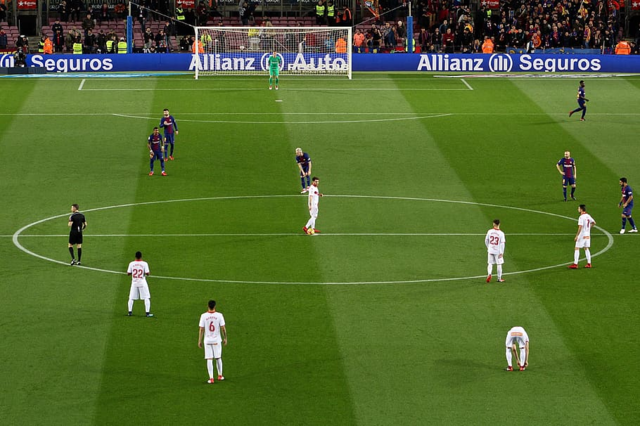
In it professional football, decisive matches are not always won by technical talent or physical superiority. On many occasions, the difference between victory and defeat lies in a less visible, but absolutely decisive factor: the competitive mentality.

When a team faces a final, a play-off, a derby or a season-defining match, the sports psychology, the emotional management and the competitive concentration They acquire extraordinary weight. For coaches, physical trainers and football professionals, understanding this component is essential to optimize collective and individual performance.

The Evolution of the Full-Back in Modern Football: From the Outside Lane to the Center

For decades, the winger was a predictable role: defending his wing and
occasionally projecting into attack to give width. but football
modern has reinvented this position until it becomes one of the most
complex and decisive aspects of the game.

Today, the full-backs are no longer just wing runners: they are
covert midfielders, generators of superiority, throwers of
inside game and, in many systems, true playmakers.

Below I summarize some trends that are redefining the position.
 

Does AI already train better than some technicians? The great football debate 2026

Football has always been a sport of emotions, intuition and talent. For decades, the figure of the coach has represented much more than the simple tactical direction of a team: it has been leadership, emotional reading of the locker room, reaction capacity and strategic vision of the game.

However, in the middle of 2026, a question begins to settle strongly at the heart of modern football:

Can artificial intelligence train better than some technicians?