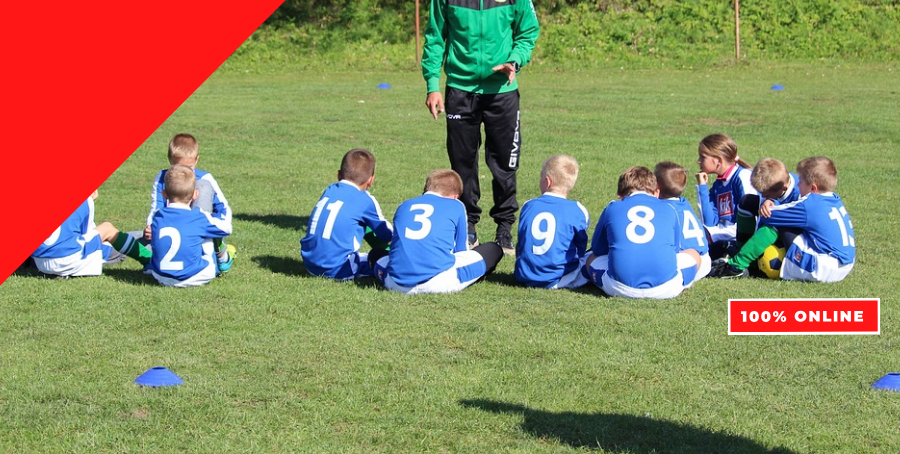
Soccer is one of the sports further popular of the world, with million of followers and practitioners throughout the planet. Although the objective of the game is simple - score more goals than the opposing team - soccer is a sport. complex which involves many different phases and elements. In this article, we will analyze the phases of the game in soccer and how influence in the final result.
Defensive phase
The phase defensive It is one of the most important parts important of the game in football. During this phase, the team tries avoid that he opposing team scores a goal. The defense can be organized, with players working together to close spaces and put pressure on the opposing team, or it can be individual, with the players marking the opposing team's players.
The defense can also vary depending on the ball position. When the opposing team has the ball in his own half of the field, the team advocate you can opt for one high pressure, trying to recover the ball as close as possible to the opponent's goal. If the opposing team has the ball in the defending team's half of the field, the defending team is more likely to opt for a low pressure, closing spaces and trying to force the opposing team to make a mistake.
Another important aspect of the defensive phase is the defensive transition. This refers to the ability of the defending team for react quickly when loses the ball and return to your defensive position. If the defending team cannot do this quickly, the opposing team may have a clear opportunity of score.
Offensive phase
The phase offensive is the part of the game in which the team try to score a goal. During this phase, the players of the attacking team try to create opportunities for tick, working together to move the ball towards the opponent's goal.
The phase offensive can vary depending on the ball position. When the team attacker has the ball in his own half of the field, you are more likely to opt for a construction of slower game, moving the ball forward little by little and trying to create opportunities as you go. When the attacking team has the ball in the opposing team's half of the field, you can opt for a faster and more direct game, trying to take advantage of the spaces and create scoring opportunities.
The offensive transition It's another aspect important of the phase offensive. This refers to the attacking team's ability to take advantage of opportunities when he recovers the ball. If the team attacker can transition quickly from defense to attack, can surprise the opposing team and create scoring opportunities.
Transition phase
The transition phase is the part of the game in which the ball changes possession from one team to another. During this phase, both teams must react quickly to adapt to the new situation. The team that recovers the ball should try to transition quickly to the phase offensive, while the team that loses the ball You must react quickly to get back on track. defensive position.
The transition It can also be a phase dangerous for both teams. If he recovery equipment the ball cannot transition quickly to the phase offensive, can lose the opportunity to score a goal. If he team that loses the ball can't react quickly for return to your position defensive, can leave open spaces that the opposing team can leverage.
Possession phase
The phase of possession is the part of the game in which a team has the ball control. During this phase, the team in possession of the ball try to create opportunities to score, moving the ball forward and looking for open spaces.
The phase of possession It may vary depending on the position of the ball. If the team in possession of the ball has the ball in his own half of the field, you can opt for a game build slower, moving the ball forward little by little and looking for opportunities as you go. If the team in possession of the ball has the ball in the opposing team's half of the field, you can choose one more game fast and direct, trying to leverage spaces and create scoring opportunities.
The phase of possession It can also be an effective way to control the pace of the game. If a team can maintain possession of the ball for long periods of time, it can tire to the opposing team and check the game.
Conclusions
In conclusion, the game of soccer is made up of different phases, each with its own challenges and opportunities. The defensive phase is key to preventing the opposing team from scoring a goal, while the offensive phase is the part in which we seek to score a goal. The transition phase is the moment when the ball changes possession from one team to another, and can be an opportunity to create scoring opportunities. The possession phase is the moment when a team has control of the ball, and can be an effective way to control the pace of the game.
Understanding the different phases of the game is essential to being successful in soccer. Each phase presents different challenges and opportunities, and it is important for players and teams to adapt to each situation effectively to maximize their chances of success.
Would you like to receive more information related to our courses?