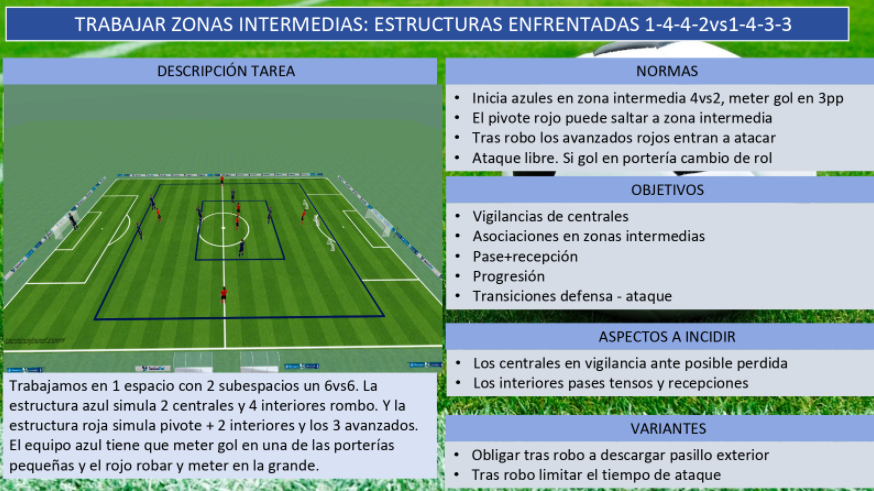

We explore the key concepts of tactical analysis in football, its importance in modern football and how it can be applied to improve individual and team performance. Tactical analysis in football refers to the process of examining and evaluating the strategies, tactics and movements used by teams during matches. This process involves collecting and analyzing data, using analytical tools and technologies, and closely observing the game itself. Tactical analysis focuses on studying how teams are organized on the field, how players move, how plays develop and how they interact with the opponent. The goal is to identify strengths and weaknesses and find ways to improve the team's strategy and execution of tactics. Tactical analysis is essential in modern football due to the increasing complexity and sophistication of the tactical systems used by teams. The article explains how tactical analysis provides a solid foundation for informed decision making and strategic planning. The article also describes some of the common methods used in tactical analysis, such as video analysis, GPS and motion sensors, and statistical analysis. The article goes on to discuss some key concepts of tactical analysis in football, such as formation, possession, transitions, pressing and space. Finally, the article offers some practical ways in which coaches and players can apply tactical analysis to improve their performance, such as identifying strengths and weaknesses, planning different tactical situations, and improving communication and understanding between teammates.