
Blog

Breaking down the phases of the game in soccer: How strategic analysis improves sports performance

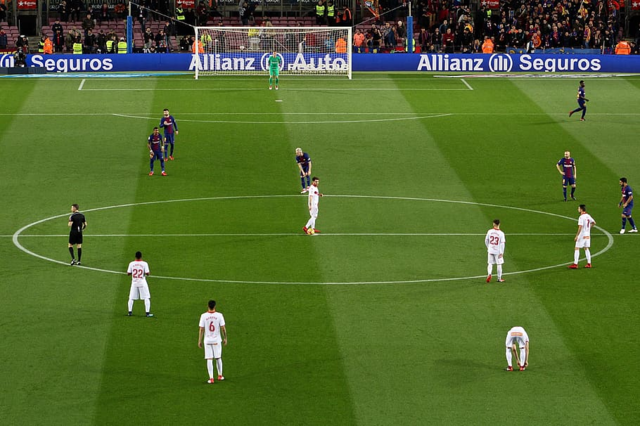
Soccer is one of the most popular sports in the world, with millions of followers and practitioners around the planet. The game involves many different phases and elements, including the defensive phase, the offensive phase, the transition phase and the possession phase. During the defensive phase, the team tries to prevent the opposing team from scoring a goal, while during the offensive phase, the team tries to score a goal. During the transition phase, both teams must react quickly to adapt to the new situation, and during the possession phase, the team in possession of the ball tries to create scoring opportunities. Transition is a key moment in the game of soccer, as it can be a time that creates many opportunities for both teams. If a team can maintain possession of the ball for long periods of time, they can tire the opposing team and control the game.

The 20 pillars of Zinedine Zidane's work philosophy at Real Madrid: how to forge a successful soccer legacy

The article focuses on the work philosophy of the player and soccer coach, Zinedine Zidane, and How it has contributed to its success. 20 important aspects of their work philosophy are explored, including the Trust in players, team game, tactical flexibility, effective communication, discipline, adaptability, leadership, passion, patience, confidence in the vision of the team and the ability to work under pressure. Zidane is known for being A quiet and effective leader who motivates his players through his example and focus on the objectives of the team, And he has succeeded in his career as Real Madrid coach thanks to his work philosophy.

Offensive slogans in football: Strategies to score more goals and dominate the game

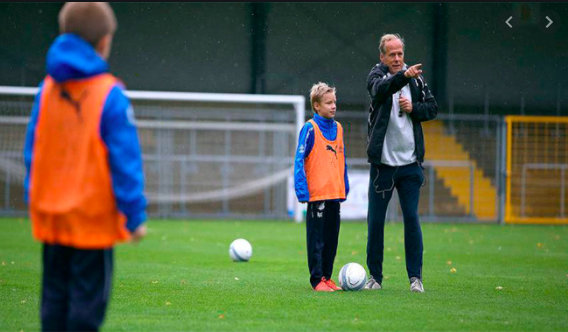
The offensive slogans are a key element in football and can be used by coaches to improve their team's offensive performance. To use offensive slogans effectively, coaches must communicate clearly with your players, adapt your slogans to the playing style of your team and that of your opponent, build the confidence of your players and be willing to change their slogans depending on the circumstances of the game.

Tactical analysis in football: How to unravel the keys to the game and improve performance

We explore the key concepts of tactical analysis in football, its importance in modern football and how it can be applied to improve individual and team performance. Tactical analysis in football refers to the process of examining and evaluating the strategies, tactics and movements used by teams during matches. This process involves collecting and analyzing data, using analytical tools and technologies, and closely observing the game itself. Tactical analysis focuses on studying how teams are organized on the field, how players move, how plays develop and how they interact with the opponent. The goal is to identify strengths and weaknesses and find ways to improve the team's strategy and execution of tactics. Tactical analysis is essential in modern football due to the increasing complexity and sophistication of the tactical systems used by teams. The article explains how tactical analysis provides a solid foundation for informed decision making and strategic planning. The article also describes some of the common methods used in tactical analysis, such as video analysis, GPS and motion sensors, and statistical analysis. The article goes on to discuss some key concepts of tactical analysis in football, such as formation, possession, transitions, pressing and space. Finally, the article offers some practical ways in which coaches and players can apply tactical analysis to improve their performance, such as identifying strengths and weaknesses, planning different tactical situations, and improving communication and understanding between teammates.