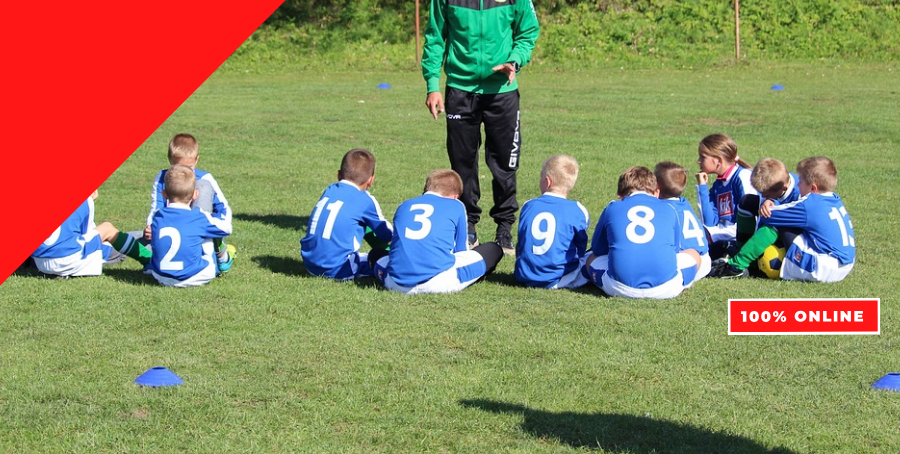
Soccer is one of the most popular sports in the world and is played everywhere from local parks to international stadiums. As football has evolved, so have the strategies and tactical approaches used by coaches and players. One of the most common approaches in training and player development is small-game play.
Small-sided play in football is a form of training that focuses on skill development and decision-making in small spaces. Instead of playing on a full-size field with 11 players per team, the small game is played in a smaller space with fewer players. It is usually played in a space 30 to 50 meters long and 20 to 40 meters wide, with two teams that can vary from 3 to 9 players per team.
The goal of the reduced game is to help players improve in a number of key areas. Firstly, it helps develop technical skills such as ball control, passing and shooting. Secondly, it helps players make quick and accurate decisions in tight spaces. Third, it helps players improve their ability to read the game and anticipate plays.
Helps players improve their stamina and ability to play in small spaces.
Small-sided play has become an integral part of football training around the world and is used by coaches at all levels, from youth teams to professional teams. Small-sided play can be played in a variety of formats, from four-on-four matches to nine-on-nine matches. It can also be used in different areas of the field, such as in the midfield or in the attacking zone.
In addition to the technical and tactical benefits of the small game, it also has some additional benefits. Firstly, small play is a fun and exciting way to train and can help motivate players. Second, small play helps create a team environment, as players must work together to be successful. Third, reduced play is a great way to evaluate players' progress and measure their ability to apply learned skills and tactics in real game situations.
It is important to note that reduced play is not a one-size-fits-all solution for soccer player development. lPlayers also need training in full-size game situations and in position-specific situations. However, reduced play can be a useful tool to complement other training approaches and help players develop skills and make decisions in more challenging situations.
To get the most out of reduced play, it is important for coaches to set clear goals for each training session and communicate these goals to players.. Objectives may include developing specific skills, improving team communication and cooperation, or preparing for an upcoming match.
It is also important for coaches to monitor reduced play to ensure that objectives are being met and that learned skills and tactics are being applied in real game situations. Coaches can also provide feedback to players to help them improve and correct mistakes.
Conclusion:
Small game is an effective tool for developing soccer players in a variety of key areas. Helps players develop technical skills, make quick and accurate decisions, read the game and improve their stamina. Plus, small-sided play is a fun and exciting way to train and helps create a team environment. However, it is important to remember that reduced play is not a one-size-fits-all solution for player development and should be used in combination with other training approaches.
If you prefer to contact us by WhatsApp or phone, do so from this link
WHATSAPP URL