PSG, success, season and tactics: the keys to Luis Enrique's team that dominates modern football
Introduction: PSG no longer wins only by talent, it wins by performance
For years, Paris Saint-Germain was analyzed from an almost exclusively individual logic. Each season was explained based on the names, the stars, the investment, the signings and the club's ability to bring together top-level offensive talent. However, PSG's success this season cannot be understood from that perspective alone. The great competitive leap of the Parisian team is explained, above all, by a collective and tactical evolution that has changed the identity of the project.
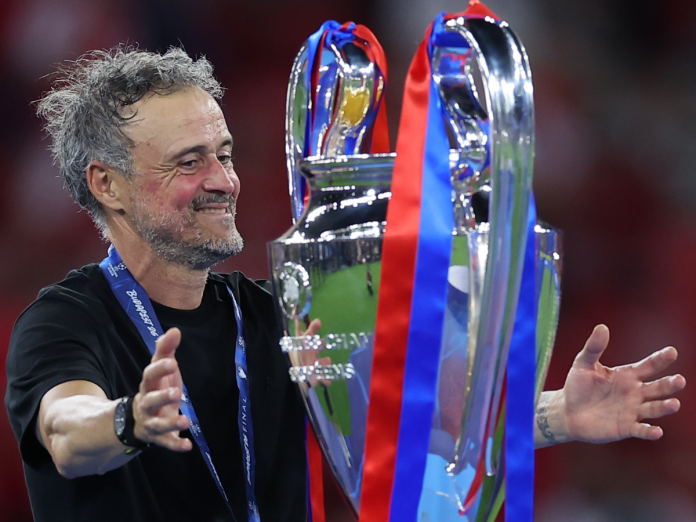
Luis Enrique's PSG has become one of the most recognizable teams in European football. It is no longer just a group of brilliant footballers waiting to resolve matches based on individual actions. It is a team that presses, that occupies spaces well, that defends forward, that attacks with structure, that alternates possession and verticality, and that has learned to compete in very different contexts. That tactical maturity has been one of the big keys to his success in Ligue 1 and the Champions League.
The great transformation is in the idea. PSG has ceased to be a divided team, dependent on isolated inspirations, to become a block with recognizable mechanisms. Their footballers still have freedom, but it is an ordered freedom. Their attackers continue to be unbalancing, but within a structure that enhances their virtues. Their defenses continue to take risks, but with better coverage and more aggressive collective pressure. That combination of talent and organization has elevated the team to a higher dimension.