Blog

The 2026 World Cup will test the physical preparation of the teams: heat, travel and recovery, the great challenges

The 2026 World Cup will test the physical preparation of the teams: heat, travel and recovery, the great challenges

The 2026 World Cup will not only be the largest tournament in history by number of teams, matches and venues. It will also be one of the most demanding competitions from a physical, logistical and methodological point of view. The World Cup will now have 48 teams and 104 games, in a championship divided between Canada, United States and Mexico, with meetings in 16 host cities. FIFA places the tournament between June 11 and July 19, 2026, in the middle of the North American summer.

This new dimension will change many things. The World Cup will no longer be just a series of maximum pressure matches, but a global endurance test for coaching staffs, physical trainers, doctors, physiotherapists, nutritionists, performance analysts and players. In a calendar of almost forty days, with long trips, climatic differences and little margin between matches, success will depend on both talent and the ability to manage wear and tear.

Modern football is no longer decided solely on the grass. It is also decided in the hotel, on the plane, in the recovery room, in sleep control, in hydration, in nutrition, in load planning and in the daily reading of physical data. In that sense, the 2026 World Cup will be a high-performance laboratory on a global scale.
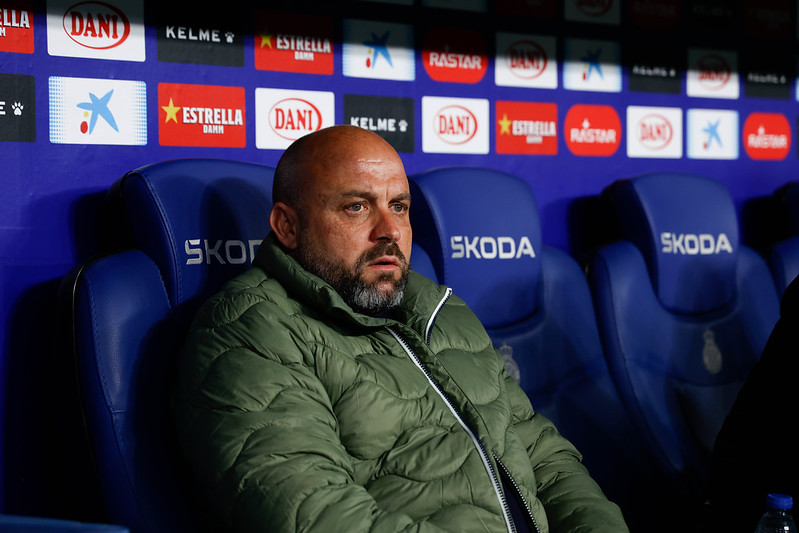
Monchi's impact on RCD Espanyol: a new era with Manolo González on the bench and Alan Pace as president

RCD Espanyol begins a stage that could mark a turning point in its recent history. The arrival of Ramón Rodríguez Verdejo, Monchi, as head of the sports area, the continuity of Manolo Gonzalez as a coach and the institutional leadership of Alan Pace As president they form a strategic triangle that can redefine the club's sporting future.

After years of instability, project changes, qualifying emergencies and a complex emotional relationship with its fans, Espanyol seems to be entering a phase in which the key word will not only be “excitement”, but structure. And that's where Monchi can have a profound impact.

Leadership in football: the factor that transforms teams into champions

In football, the coach designs the strategy, defines the game plan and sets the path. But when the ball starts rolling, there is something that no coaching staff can directly control: what happens on the field. That's where leadership comes in. That invisible factor that does not always wear a bracelet, that is not measured in statistics, but that has a direct impact on collective performance. Because teams don't just need talent...they need leaders.

Football of the future: how data is changing the game

For decades, football has been understood as a sport of sensations, talent and experience. Coaches made decisions based on what they saw, their intuition and their knowledge of the game. Today, that has changed. In modern football, every action generates information. Every pass, every sprint, every positioning leaves a trail of data that can be analyzed. And in that context, a new competitive advantage has emerged: intelligent use of data. Because in today's football, not only does the one who plays the best win... but also the one who best interprets the information.