Blog

Training Positional Play in Soccer: Strategies and Tips

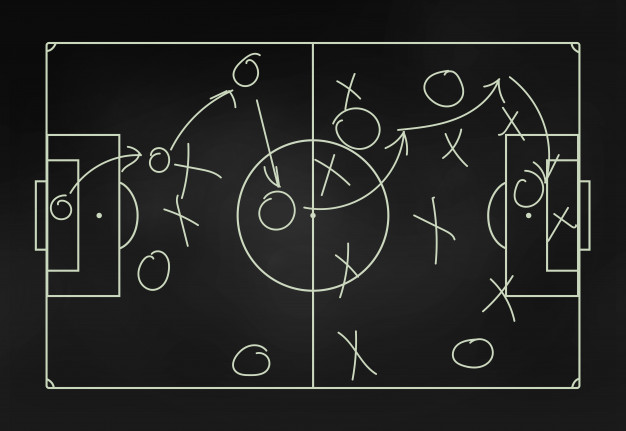
Positional play is a soccer strategy that seeks control of the ball and space through possession, mobility, pressure and balance. It has been popularized in recent years thanks to coaches such as Pep Guardiola, Marcelo Bielsa and Jürgen Klopp, who have shown that success in football depends not only on the individual talent of the players but also on the collective understanding of the game. Positional game theory involves working on three fundamental aspects: the creation of spaces, mobility and pressure. To train this strategy, it is recommended to work on ball possession, movements without the ball, pressure, the defensive-offensive transition and definition. With the right coaching, you can improve the team's collective understanding of the game and take it to the next level.

The 20 key principles of Pep Guardiola's work philosophy in football

In summary, Guardiola's work philosophy is based on discipline, he teamwork, creativity, hard work, preparation, adaptation, offensive play, analysis, fair play, possession play, communication, understanding of basics and motivation. These values ​​have allowed Guardiola to have great success as a football coach, and have been key to the performance of your equipment both locally and internationally.

Simulation software for soccer coaches

He Soccer simulation software It is a valuable tool for coaches looking to improve the quality of their training sessions and better prepare their teams for matches. Of note are several software programs available on the market, including FIFA Trainer, Football Manager, ProZone and SoccerLAB.

The use of scouting software in football: An essential tool for analyzing players and teams

He scouting software In football it is a powerful tool that can help football teams make informed decisions about their playing strategy, team formation and player selection. Although there are some challenges that need to be addressed, soccer scouting software can provide many benefits to teams, including identifying high-quality players, improving the performance of existing players, and saving time and resources.